
Pelvic Health Conditions We Treat
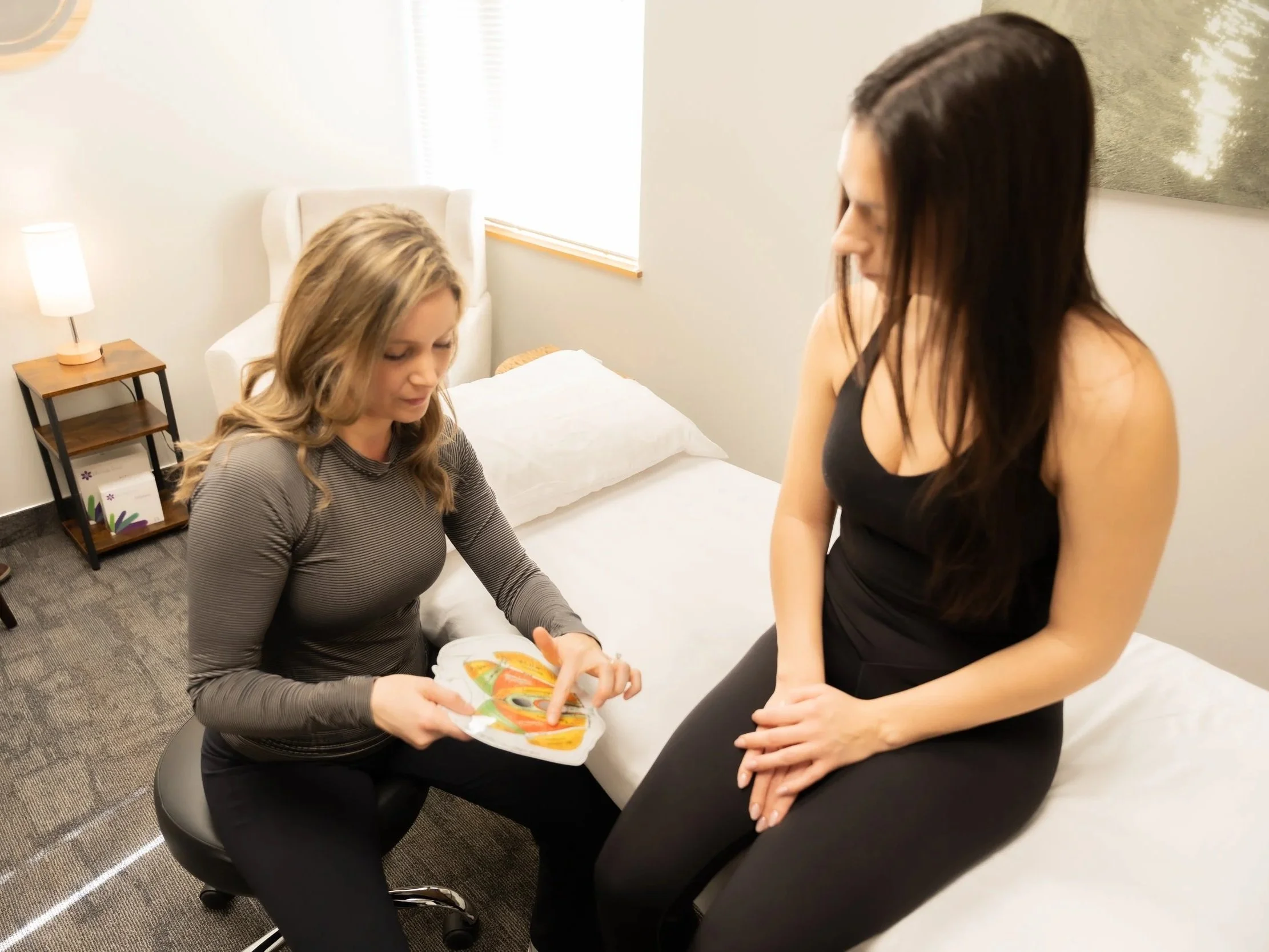
Pregnancy Care & Birth Preparation
Pregnancy places unique demands on your body, and the pelvic floor plays an important role throughout this time. Pelvic floor physical therapy can help reduce discomfort during pregnancy, support healthy core and pelvic floor function, and prepare your body for labor and delivery. Care is personalized and designed to help you stay comfortable, active, and confident as your body changes.
Treatment may include:
Relief from pregnancy-related pelvic, back, or hip pain
Pelvic floor strengthening and relaxation technique
Core support and breathing strategies during pregnancy
Education on labor positioning and pushing techniques
Preparation for postpartum recovery and return to activity
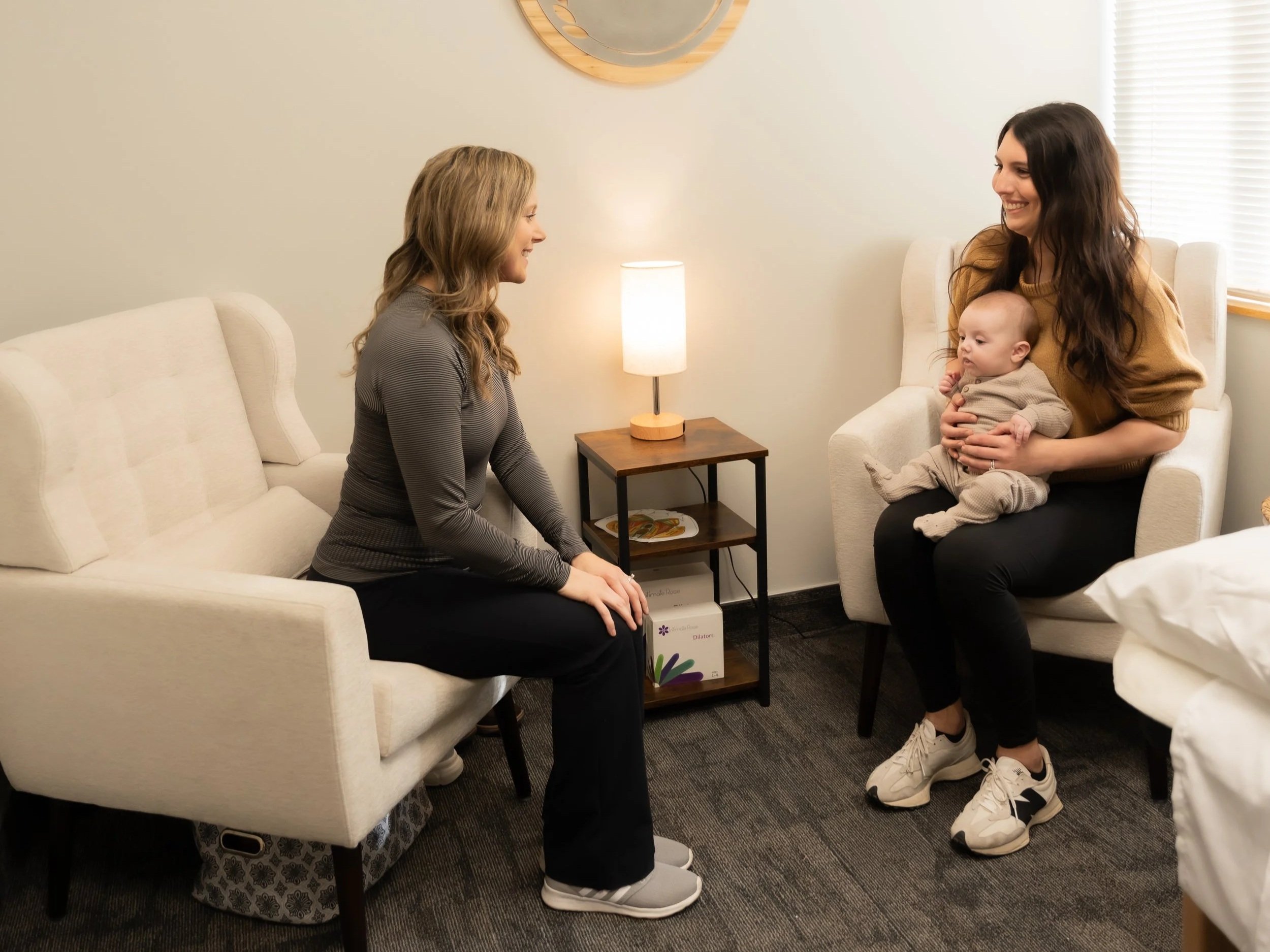
Postpartum Recovery
Your body goes through significant changes during pregnancy and birth, and the right support during the postpartum period can make a meaningful difference in how you recover and feel in your body. Pelvic floor physical therapy can help address common postpartum concerns while supporting healing, strength, and confidence as you return to daily activities and exercise. We are here to support recovery following both vaginal delivery and cesarean birth.
Treatment may include:
Pelvic floor strengthening and coordination
Core and abdominal recovery, including diastasis recti
C-section or perineal scar mobility
Treatment for urinary leakage, heaviness, or pelvic pressure
Safe return to exercise and daily activities
Pelvic Pain
Pelvic pain can affect many aspects of daily life and is often more common than many women realize. Symptoms may include pain in the pelvis, hips, tailbone, or lower abdomen, as well as discomfort with activities such as sitting, exercise, or intimacy. Pelvic floor physical therapy can help identify the underlying contributors to pain and provide gentle, individualized treatment to help restore comfort and function.
Treatment may include:
Treatment for pelvic floor muscle tension or overactivity
Support for pain with intimacy or penetration
Relief from tailbone, hip, or lower abdominal pain
Techniques to improve pelvic floor relaxation and coordination
Education and movement strategies to reduce pain and support daily activities
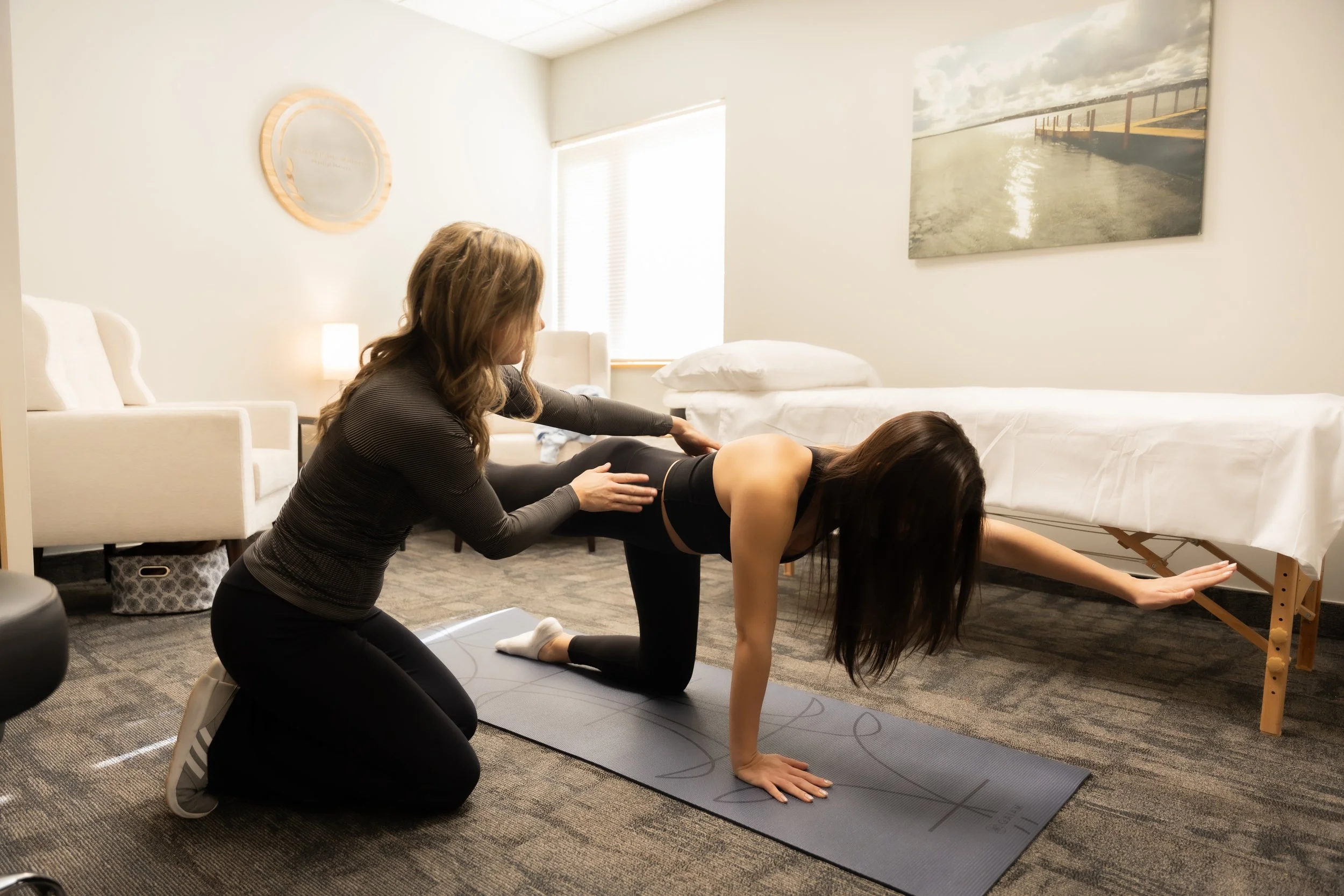
Pelvic Organ Prolapse
Pelvic organ prolapse occurs when the muscles and supportive tissues of the pelvic floor become weakened or stretched, allowing one or more pelvic organs to shift downward. Women may experience symptoms such as a feeling of heaviness or pressure in the pelvis, a bulging sensation, or discomfort with activity. Pelvic floor physical therapy can help improve pelvic floor support, coordination, and pressure management to reduce symptoms and help you move through daily life with greater comfort and confidence.
Treatment may include:
Pelvic floor strengthening, relaxation and coordination
Strategies to reduce pelvic pressure and heaviness
Core and breathing techniques to support pelvic floor function
Education on movement and lifting strategies
Guidance for returning to exercise and daily activities
Bladder and Bowel Issues
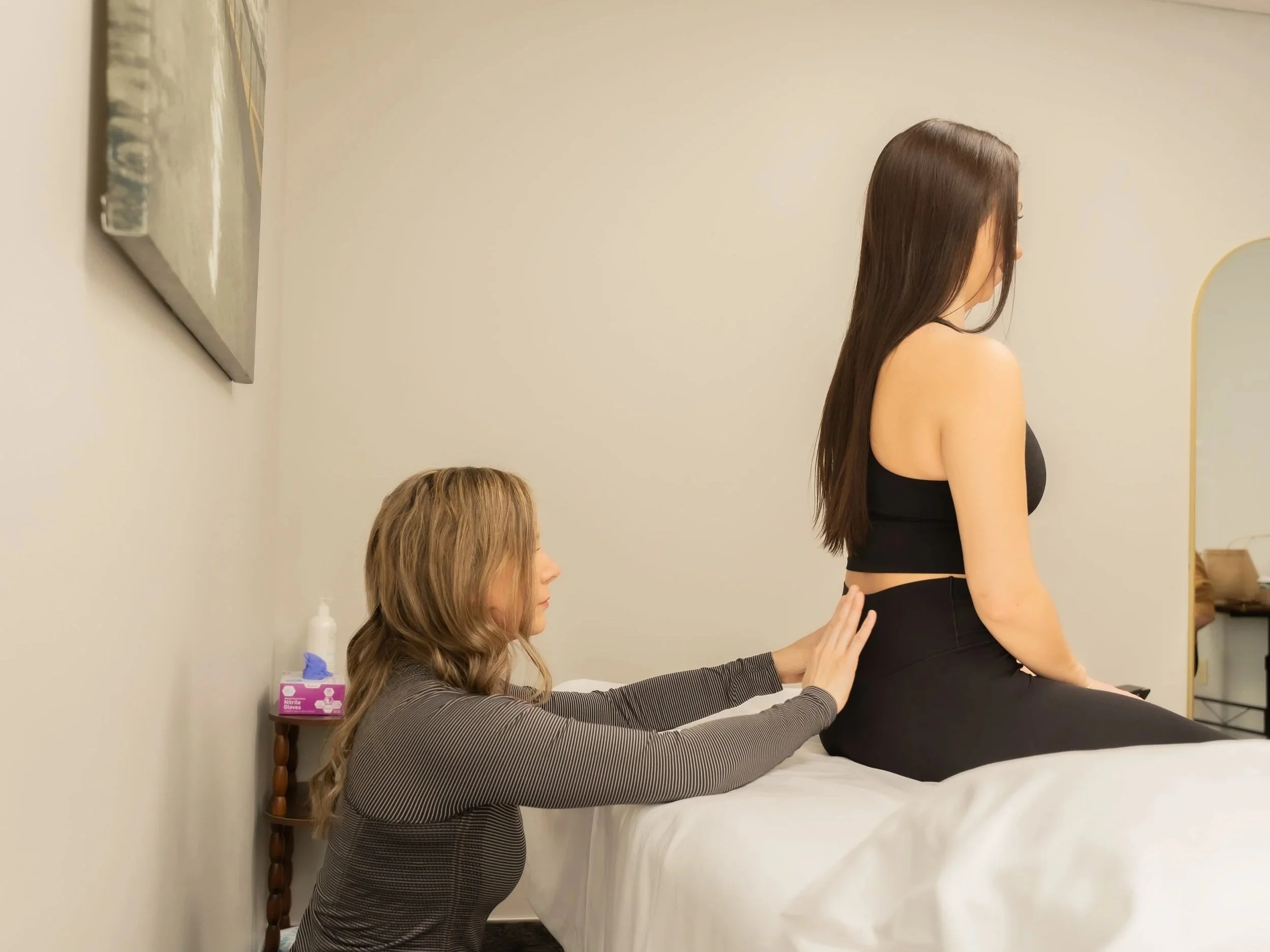
Bladder and bowel concerns are very common but are often something women feel they have to live with. Symptoms such as urinary leakage, urgency, frequent urination, constipation, or difficulty with bowel movements can significantly impact daily life. Pelvic floor physical therapy can help identify contributing factors and provide targeted treatment to improve pelvic floor coordination, bladder and bowel habits, and overall function.
Treatment may include:
Treatment for urinary leakage or incontinence
Support for urinary urgency and frequent urination
Strategies to improve bladder control and coordination
Treatment for constipation or difficulty with bowel movements
Education on bladder and bowel habits that support pelvic health
Pre- and Post-Surgical Care
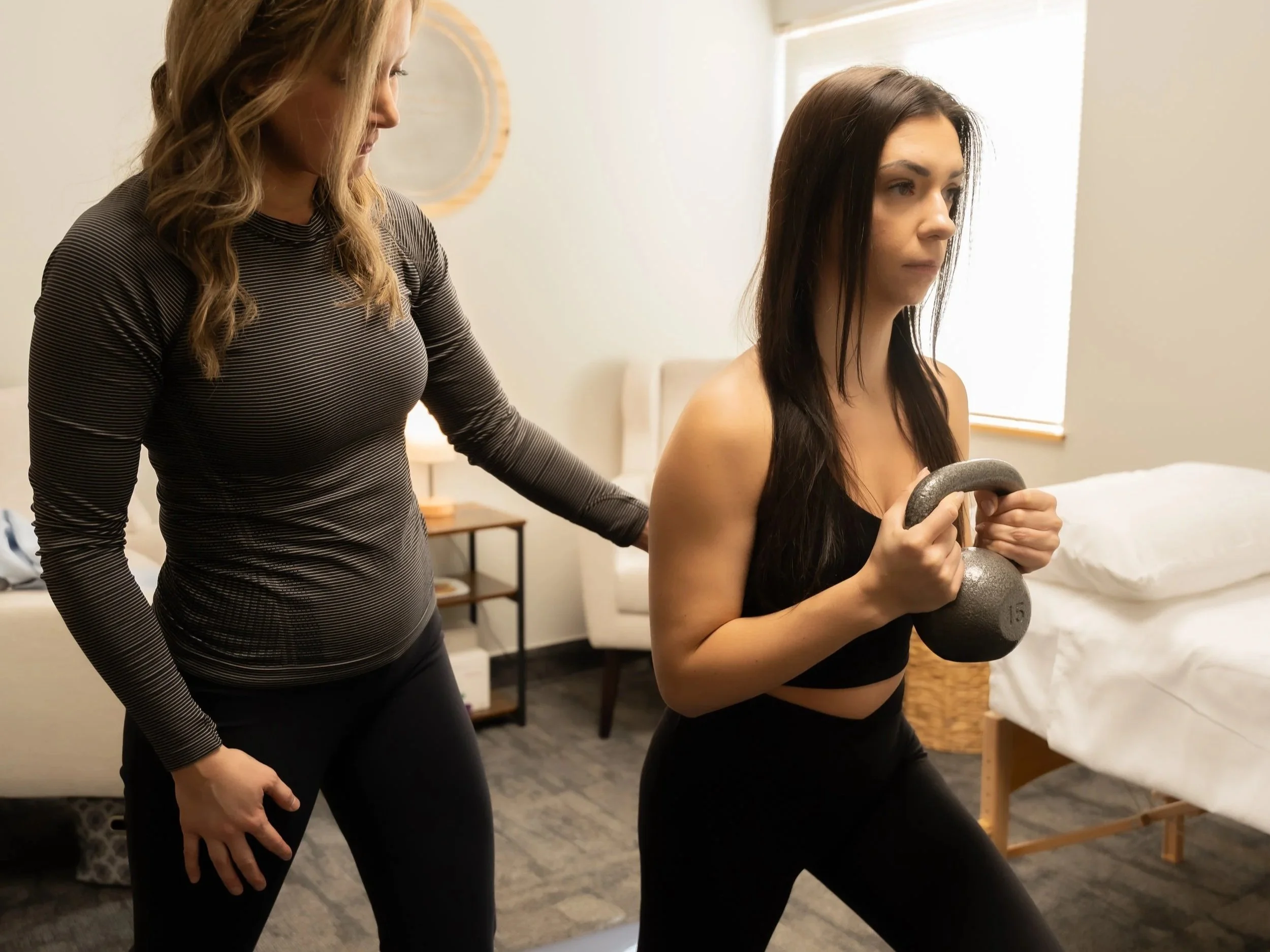
Pelvic floor physical therapy can play an important role both before and after certain pelvic or abdominal surgeries. Preparing the body before surgery and supporting recovery afterward can help improve pelvic floor function, reduce pain, and restore strength and coordination as you heal. Care is personalized and designed to support a smooth recovery and help you safely return to your normal activities.
Treatment may include:
Preparation before procedures such as hysterectomy, prolapse repair, or endometriosis surgery
Post-surgical pelvic floor rehabilitation
Scar tissue mobility and soft tissue treatment
Core and pelvic floor coordination during recovery
Guidance for safely returning to exercise and daily activities